
The Row’s Bags Overview: Understanding the Brand’s Core Silhouettes
In modern fashion, The Row holds a distinctive standing. Ever since it was founded by Mary-Kate and Ashley Olsen in 2006, the label has devoted almost twenty years to cultivating a name rooted in restraint instead of branding or seasonal buzz. No monogram canvas exists here, nor obvious branding, nor visible hardware calling out for attention. The Row bags, rather than chasing branding, depend on proportion, leather quality, and construction built to reward close scrutiny. For anyone trying to understand why these pieces command such loyalty — and such high resale value — it helps to look at the core silhouettes that define the house rather than treating the collection as an undifferentiated pile of “luxury minimalism.”
This guide breaks down the cuts that count, lays out what differentiates a authentically top-tier piece from a simply costly one, and offers some hands-on guidance on where to search if you’re seeking a bargain, including how a row sale in fact tends to play out in practice.
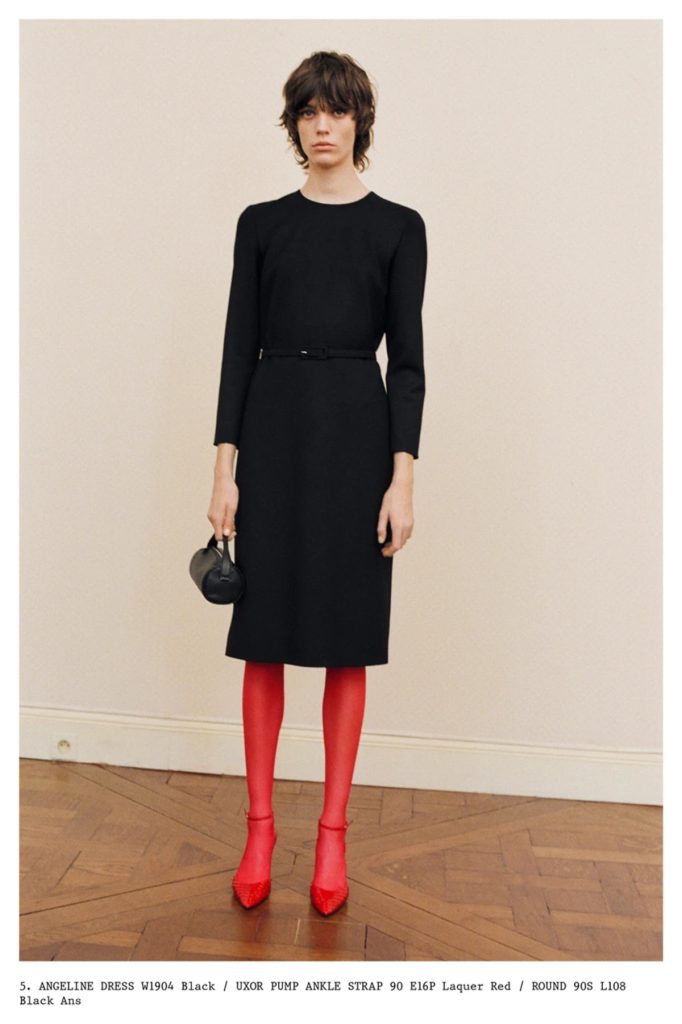
Why The Row’s own Handbag Ethos Is Different
A great many high-end fashion labels construct brand recall through recurring signatures — a distinctive hardware detail, a padded diamond-stitch design, a logo-lettered pattern. The Row takes the reverse approach. Its design language favors gentle, loosely-structured forms, subdued, understated color schemes (think taupe, ecru, black, and various browns), and leathers so buttery they need barely any decoration to warrant their price. This is a conscious choice. Rather than status signaling, pieces are meant to function as quiet luxury — a goal Mary-Kane Olsen and Ashley Olsen have discussed publicly.
What emerges https://laurentbags.com/handbags/ is an assortment of the row’s handbag lineup that appear almost the same to the untrained eye yet feel worlds apart once you hold them. A first-time buyer often undervalues The Row until they feel the leather firsthand or notice how a bag holds its shape without rigid interior support. That physical nuance is central to understanding the brand’s pricing, which frequently falls somewhere between $2,000 and $6,900 based on size, leather type, and hardware finish.
The Margaux: The Brand’s Hallmark Carryall
If there is one bag that put The Row on the map for an audience extending beyond those steeped in fashion, the Margaux is that bag. First unveiled in the early 2010s, this the row tote bag turned into an object of near-obsession by the mid-2020s, favored by editors, stylists, and off-duty models who wanted a bag that looked expensive without appearing flashy. Since sizing is typically labeled Margaux 10, 12, 15, and 17 — the figure loosely reflecting width in inches — the Margaux comes in multiple sizes, offering shoppers everything from compact everyday carry to a true office tote capable of fitting a laptop and documents.
The silhouette itself is understated: an open-top tote defined by its dramatic drape, minimal fittings, and shoulder-friendly rolled handles. Color options shift with each season while rarely leaving a muted palette, and material options have spanned both smooth and grained leather types. People frequently ask where to buy The Row Margaux bag, and the honest answer is that availability is inconsistent — the brand deliberately limits distribution, which is part of why resale interest stays strong.
Sofia, Wander, and Other Structured Silhouettes
Beyond the Margaux, The Row’s catalogue includes several structured and semi-structured bags that serve different purposes. The Sofia bag offers a more architectural top-handle shape, appealing to buyers who want something closer to a briefcase silhouette than a slouchy tote. In the crossbody category, the Wander has carved out its own following — smaller, relaxed, and more affordably priced than the brand’s larger totes, which is why it’s often a common starting point for newcomers to the brand.
Also worth noting is the Ascot, a boxier top-handle bag with a distinctly vintage-leaning silhouette, alongside various clutch and pouch styles that show up more sporadically depending on the season. Different use cases are covered by each: the Sofia suits office wear, the Wander handles daily errands, and the Ascot fits evening or more formal settings. Though The Row is frequently labeled in conversation to “the tote brand,” the brand actually produces a fairly diverse set of silhouettes spanning various price tiers and uses, and that’s why this variety is worth understanding.
Materials, Construction, and What Justifies the Price
A key driver behind where the brand’s pricing sits is The Row’s leather sourcing. The house has relied on Italian-tanned leathers widely, and the finishing technique on pieces like the Margaux involves minimal stitching seams in order to achieve that unstructured drape. Sparser seams typically result in more leather waste in the manufacturing process, which helps explain why the cost stays high even though the aesthetic reads as simple.
Low-key hardware — compact clasps, subtle zippers, and quiet stamped branding instead of embossed logos — tends to be the norm when it’s present at all. This is consistent across the row bag lineup and extends to smaller leather goods like card holders and pouches. Buyers evaluating a purchase should carefully examine stitching consistency, how the leather ages (most pieces acquire a natural patina over time), and whether the bag’s slouch returns to shape after use, since these are the details distinguish genuine quality from counterfeit items flooding secondary markets.
Weighing Up the Core Silhouettes
The following table breaks down the practical differences between four of the most commonly searched-for the row bags, based on general size range, use case, and overall price positioning as of 2026.
| Silhouette | Everyday Application | Size Range | Approximate Price Band |
|---|---|---|---|
| Margaux | Used for daily totes as well as office carry | Margaux 10 to Margaux 17 | Moderate to elevated ( fluctuates by size and leather type) |
| Sofia | An architectural style suited to office carry | Mainly one core size, plus the odd alternative | Elevated |
| Wander | The cross-body style for relaxed everyday wear | Compact, single size focus | Lower entry point relative to totes |
| Ascot | Formal occasions, nighttime wear | Small to medium | High |
Anyone sizing up the top row bags will find a working framework here before deciding what to buy — though it falls short of comprehensive, as The Row regularly introduces special releases and seasonal colourways regularly.
A Look at How a Row Promotion Genuinely Functions, While You Spot Great Bargains
By design, The Row refrains from heavy discounting. Unlike broader luxury names that hold regular markdown events, its price reductions tend to surface at the tail end of a season, frequently through authorized multi-brand retailers rather than The Row’s direct channels. Rather than limited-time promotions or the label’s mailing list, discounts tend to show up at a The Row sale at reputable luxury e-commerce platforms or department stores stocking the line.
This is a situation where patience counts most. Because production runs are small, discounted stock disappears quickly, and in-demand sizes such as the Margaux 12 rarely last more than a few days once marked down. Shoppers who genuinely want to score a deal ought to set up alerts with sellers recognized for stocking The Row fashion lines, check end-of-season clearance sections around January and July, and keep themselves set to pounce as soon as something becomes available. Reselling sites present a further option, though proving legitimacy matters greatly given how frequently counterfeit “Row-style” bags circulate.
Important Considerations Ahead of Checking Out
Deciding among this handbag lineup ultimately comes down to lifestyle rather than trend-chasing, since these pieces are built to last years rather than seasons. Anyone who commutes every day carrying a laptop will find considerably more practicality in a Margaux 15 or 17 than in a compact Wander. Someone attending frequent evening events might favor the Ascot’s tailored form over the Margaux’s softer drape. Ask yourself a few grounded questions before settling on one:
- How often will the item see use, and for what exact day-to-day purposes?
- Will the leather’s surface treatment suit a easy-care lifestyle, or is regular upkeep practical?
- Considering your frame and usual day-to-day load, is the dimensions in balance?
- Might a more modest purchase, like a pouch or cardholder, be more sensible as an starting point into the brand?
Such questions become more important with The Row than with logo-driven brands, since the draw here is entirely functional and textural rather than symbolic. A poorly-suited bag—however exquisitely crafted—will end up gathering dust.
The Closing Word on Building a The Row Wardrobe
Rather than merely skimming product pages at random, customers gain an edge by understanding The Row’s signature styles — the Margaux, Sofia, Wander, and Ascot.
Since each shape solves a different problem, being aware of that nuance makes it easier to justify the money spent.
Through 2026, resale value for the brand has remained strong — largely because it steers clear of trend-chasing — and some Margaux sizes outperform in value retention than bags from much noisier, more aggressively promoted brands.
For newcomers to the brand, the savviest move is to pin down the practical function the bag is meant to handle, investigate available inventory through legitimate retailers, and stay alert for periodic price drops rather than banking on constant markdowns. The Row rewards patience and precision — much like the bags themselves.
 English
 Afrikaans
 Albanian
 Amharic
 Arabic
 Armenian
 Azerbaijani
 Basque
 Belarusian
 Bengali
 Bosnian
 Bulgarian
 Catalan
 Cebuano
 Chichewa
 Chinese (Simplified)
 Chinese (Traditional)
 Corsican
 Croatian
 Czech
Czech Danish
 Dutch
Dutch Esperanto
 Estonian
 Filipino
 Finnish
 French
 Frisian
 Galician
 Georgian
 German
 Greek
Greek Gujarati
 Haitian Creole
 Hausa
Hausa Hawaiian
 Hebrew
 Hindi
Hindi Hmong
Hmong Hungarian
 Icelandic
 Igbo
Igbo Indonesian
 Irish
Irish Italian
 Japanese
 Javanese
 Kannada
 Kazakh
 Khmer
Khmer Korean
 Kurdish (Kurmanji)
 Kyrgyz
 Lao
Lao Latin
Latin Latvian
 Lithuanian
 Luxembourgish
 Macedonian
 Malagasy
 Malay
Malay Malayalam
 Maltese
 Maori
Maori Marathi
 Mongolian
 Myanmar (Burmese)
 Nepali
 Norwegian
 Pashto
 Persian
 Polish
 Portuguese
 Punjabi
 Romanian
 Russian
 Samoan
 Scottish Gaelic
 Serbian
 Sesotho
 Shona
Shona Sindhi
 Sinhala
 Slovak
 Slovenian
 Somali
 Spanish
 Sundanese
 Swahili
 Swedish
 Tajik
Tajik Tamil
Tamil Telugu
 Thai
Thai Turkish
 Ukrainian
 Urdu
Urdu Uzbek
Uzbek Vietnamese
 Welsh
Welsh Xhosa
Xhosa Yiddish
 Yoruba
 Zulu
Zulu